
Event catering for hot days: fresh cuisine and clever logistics
Published on July 18, 2025
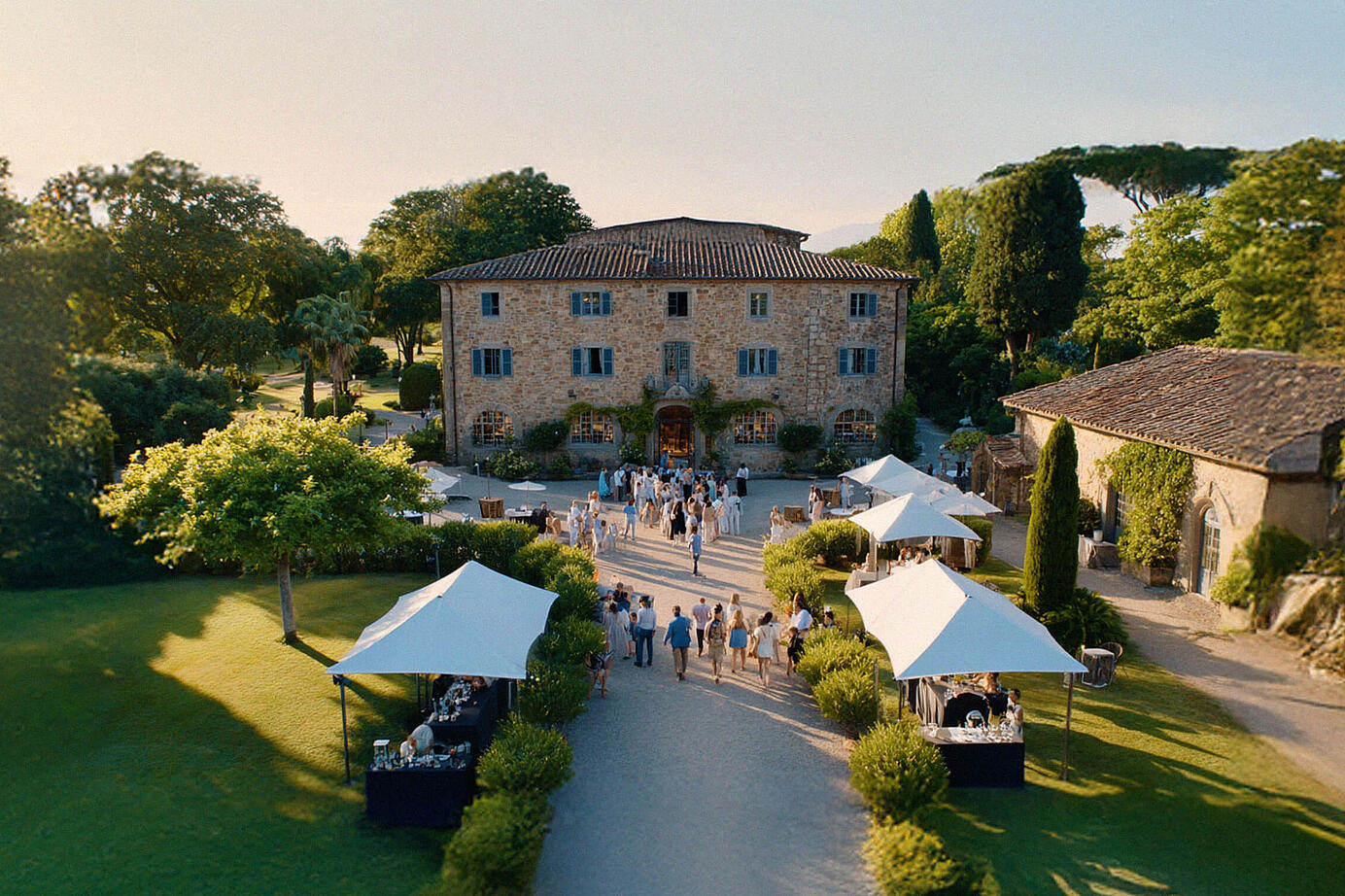
Summer not only brings sunshine and good humour, but also special challenges for event caterers. When the thermometer climbs above 30 degrees, creative solutions are required - both for the menu and the logistics. We show you how you can ensure culinary highlights even in sweltering heat.
Menu planning for high temperatures

Eating behaviour changes fundamentally in hot temperatures. Heavy, greasy meals become a burden, while light, refreshing dishes are just the thing. The trick is to create a satisfying flavour experience despite reduced portions.
Light cuisine as the supreme discipline
Cold soups such as gazpacho or cucumber and mint soup are true refreshment artists. They hydrate and cool you down from the inside. Ceviche, marinated fish ‘cooked’ in citric acid, brings South American flair and is perfect for hot days. Colourful salad compositions with seasonal Swiss products - from carrot and ginger salad to quinoa taboulé with Swiss herbs - offer variety and nutrients.
Timing is everything
Serving time is a decisive factor. Hot dishes should be served in the cooler morning hours or in the evening. The main programme shifts to light bites and refreshing drinks during the midday heat. A staggered menu with different stations takes the pressure off both guests and the kitchen team.
Focus on water-rich foods
Melons, cucumbers, tomatoes and citrus fruits are the main players. They not only provide fluids, but also important minerals. A watermelon and feta salad with mint or cucumber sandwiches on wholemeal bread satisfy hunger without weighing you down.
Hygiene and cooling for outdoor catering

With summer catering, food safety takes centre stage. Swiss food regulations are particularly strict here, and rightly so - bacteria multiply rapidly at high temperatures.
Cold chain management as a success factor
Transport becomes a logistical masterpiece. Professional refrigerated vehicles are a must, and additional cooling elements create reserves. The temperature must be fully documented - digital thermometers with an alarm function are now standard. Any interruption to the cold chain must be recognised and rectified immediately.
Protection from the sun and insects
Buffets need roofing and side protection. Glass cabinets or Plexiglas covers protect against insects without making access difficult. Ice cubes and cooling plates under the serving platters keep temperatures low. Important: Plan for regular replacement of coolants.
Emergency plans for extreme situations
What happens if the refrigeration fails? Backup units and alternative cooling options must be available. An emergency plan defines clear action steps: Which food will be disposed of first? How are guests informed? What alternatives are available?
Legal safety
Strict HACCP guidelines apply in Switzerland. Temperature records must be kept and staff training is mandatory. There are additional requirements for outdoor events: hand washing facilities, waste disposal and drinking water supply must be guaranteed.
Innovative catering concepts for summer events

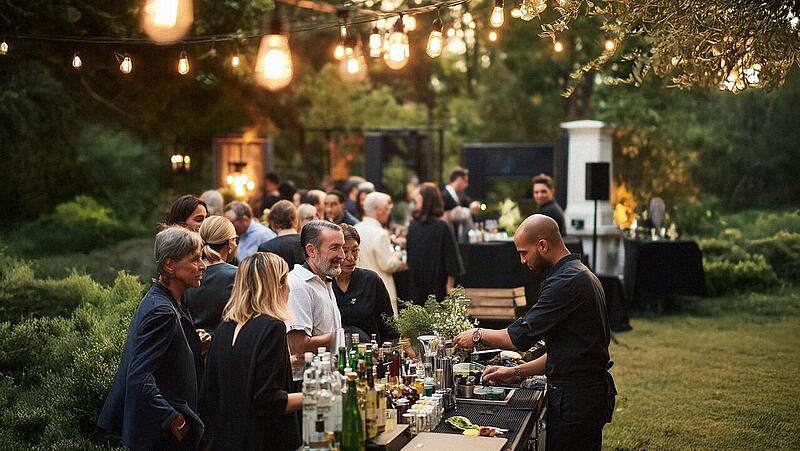
The heat is forcing catering professionals to break completely new ground. Innovative concepts combine functionality with experience and create unforgettable moments.
Mobile cooling stations as an experience zone
Food trucks with integrated cooling technology become mobile oases. Ice cream vans serve homemade sorbets and frozen yoghurt. Smoothie bikes, where guests pedal themselves, combine fun with refreshment. These interactive stations become attractions and photo motifs.
DIY concepts for hot days
Salad bars, where guests can mix their own ingredients, reduce the amount of time food has to stand. Wrap stations with different fillings offer individuality. Gazpacho bars with different toppings turn cold soup into an experience. Staff can concentrate on looking after guests instead of constantly refilling buffets.
Sustainable innovations
Solar-powered cooling systems utilise solar energy for cooling - a nice contradiction. Local producers deliver directly to the event, reducing transport distances and cooling requirements. Compostable packaging made from palm leaves or sugar cane replaces plastic and is heat-resistant.
Technical refinements
Temperature monitoring apps alert the team in real time. Thermoboxes with phase change materials maintain constant temperatures for hours. Evaporative cooling creates pleasant microclimates around the buffets. LED lighting generates no additional heat and can even suggest cool colour tones.
Creative presentation
Ice blocks with frozen flowers become works of art and cooling elements at the same time. Serving platters made of natural stone store cold and release it slowly. Water features near the buffets provide psychological cooling. Even the colour scheme plays a role - cool shades of blue and
Conclusion: summer catering as an opportunity
Hot days are not a threat to successful event catering, but an opportunity for creativity and innovation. Well thought-out planning, professional logistics and bold concepts create unforgettable summer experiences. The key lies in striking the perfect balance between safety and enjoyment - then even the hottest day will be a culinary success.